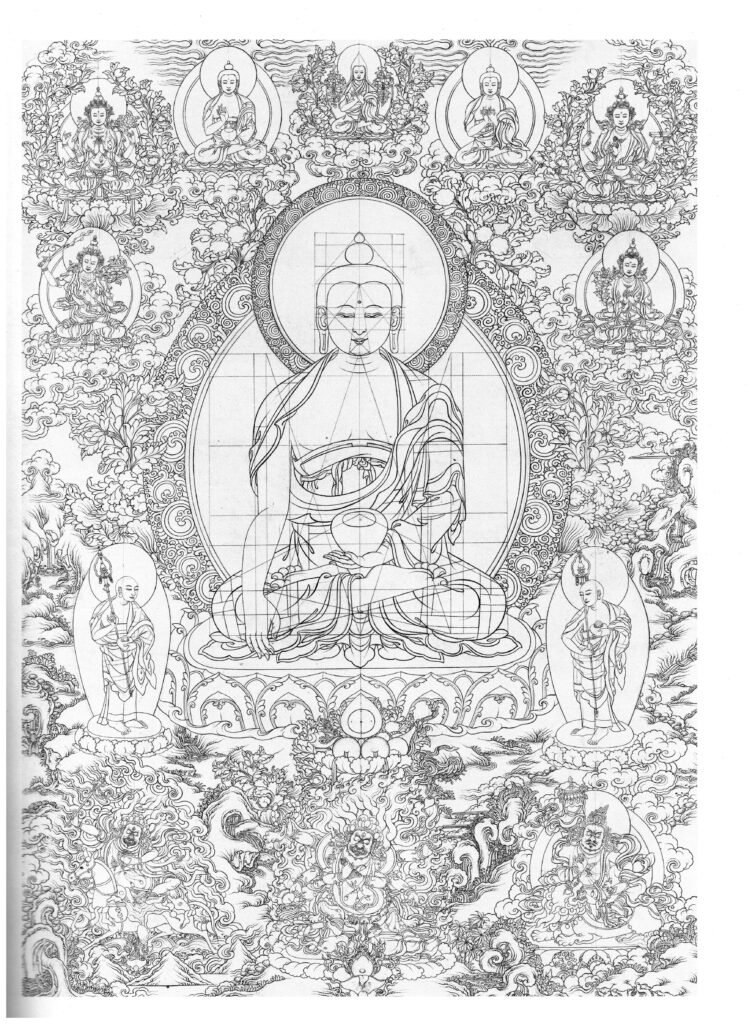
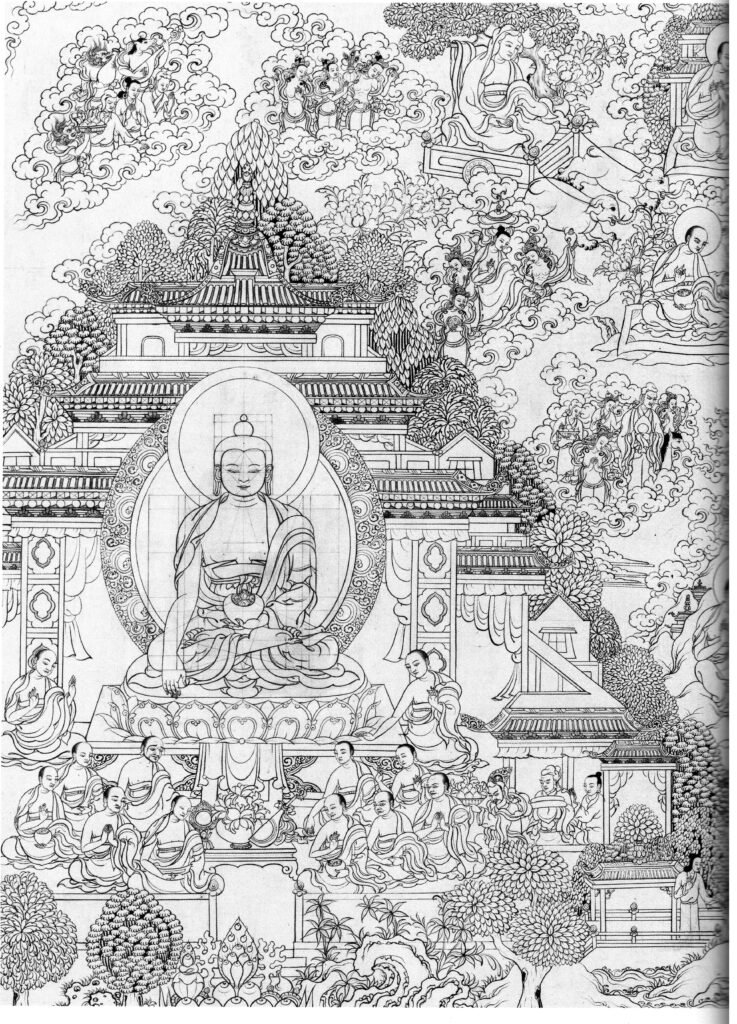
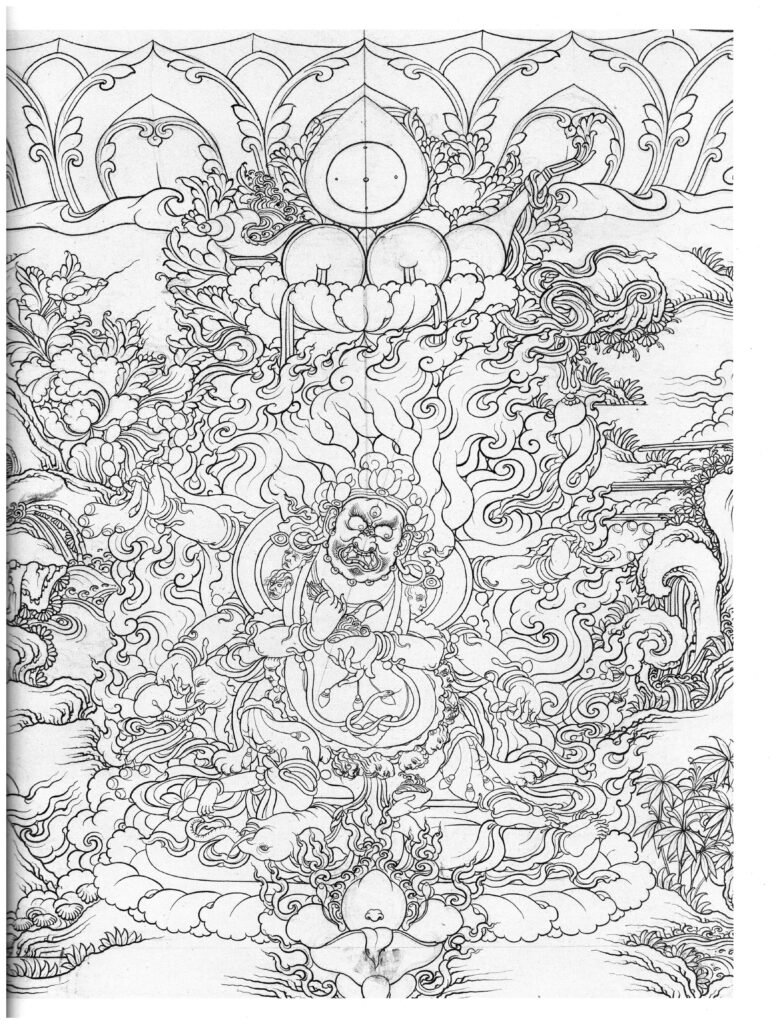
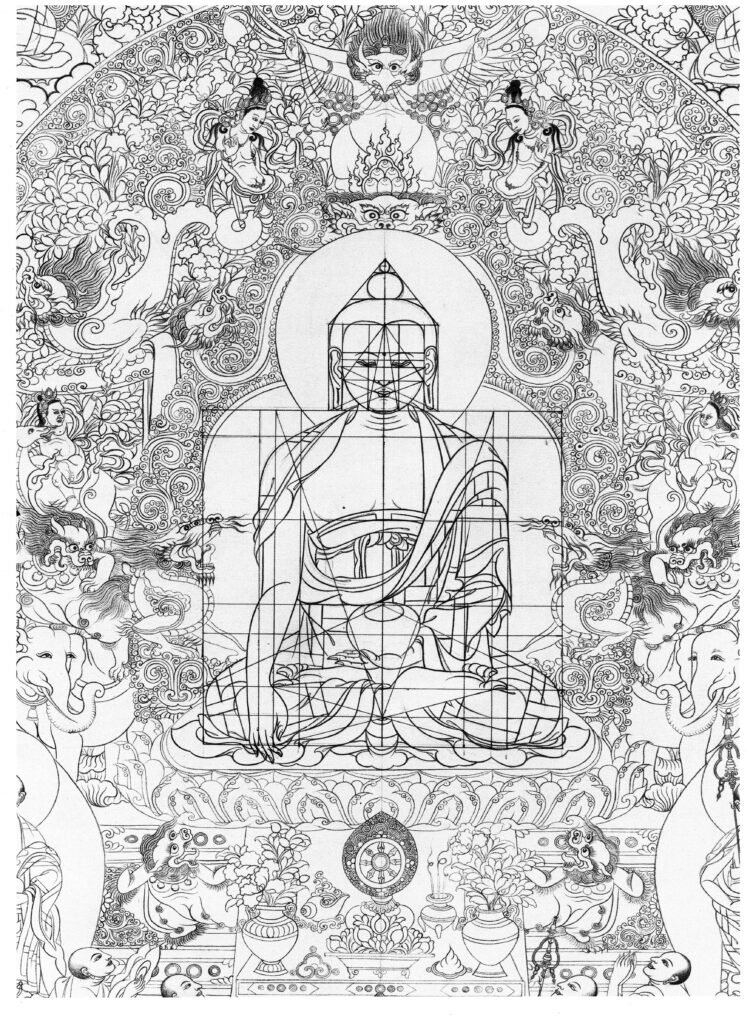
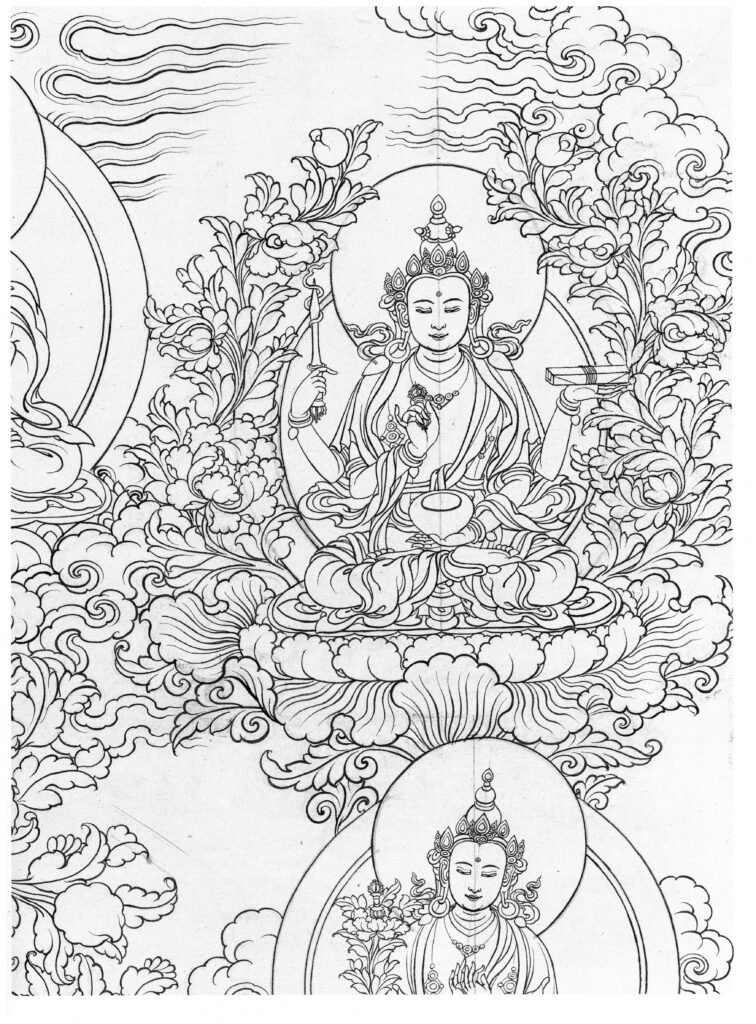
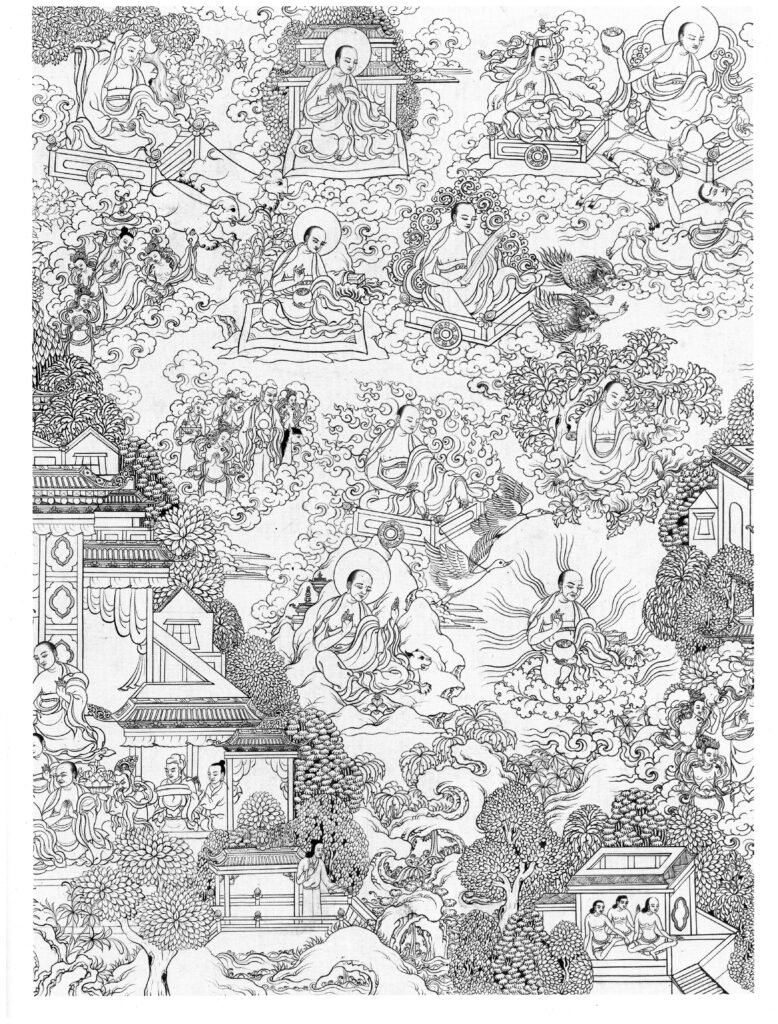
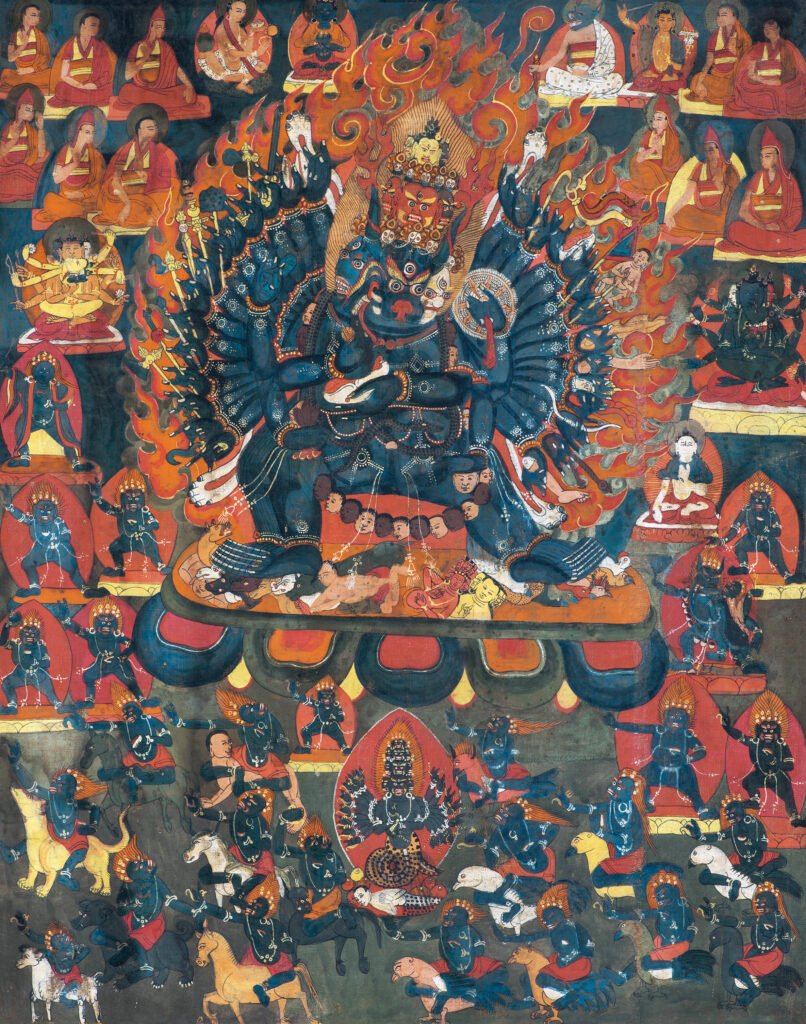
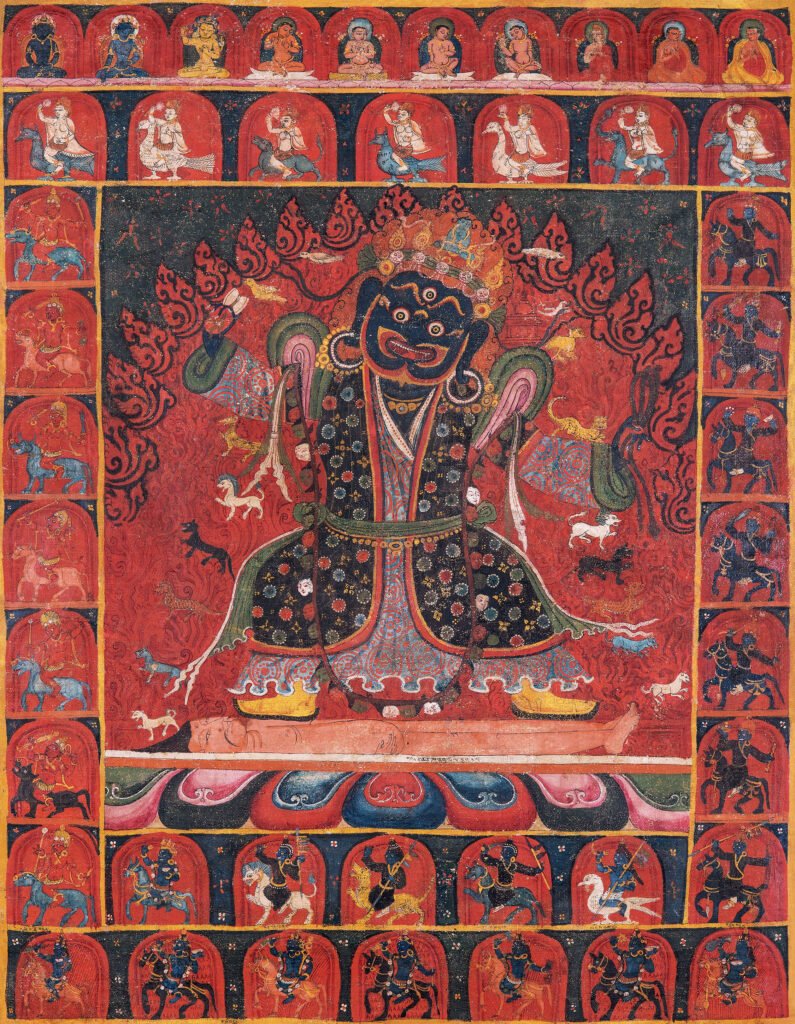
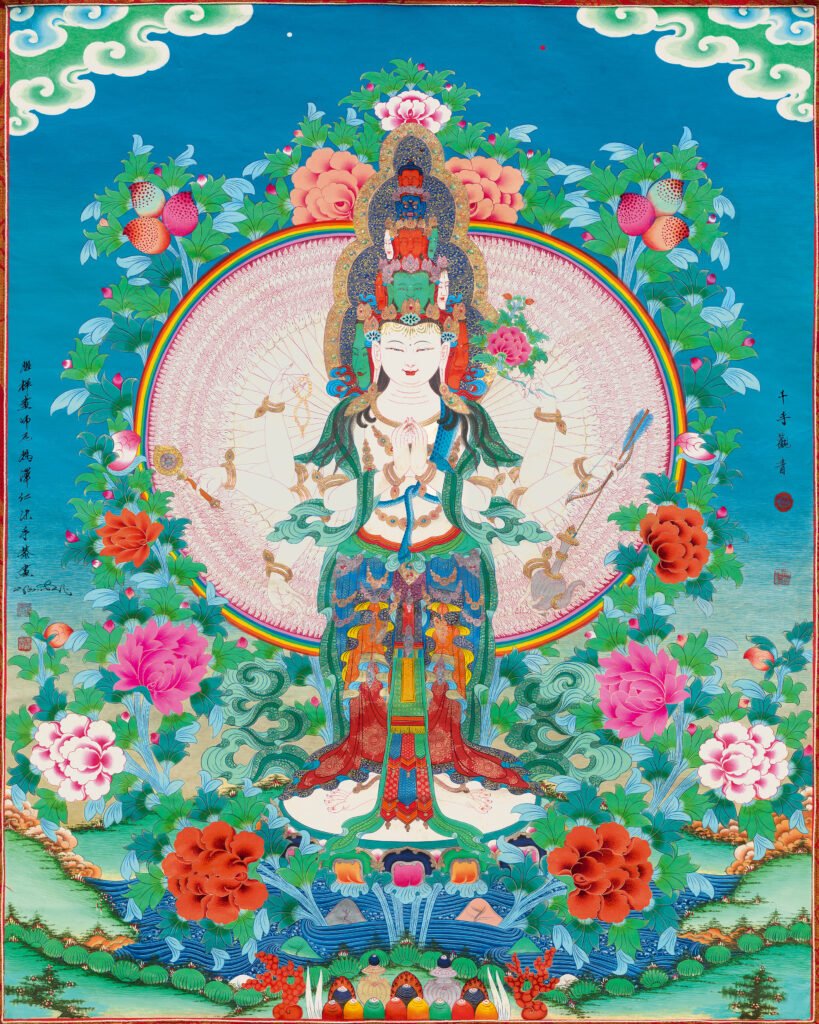
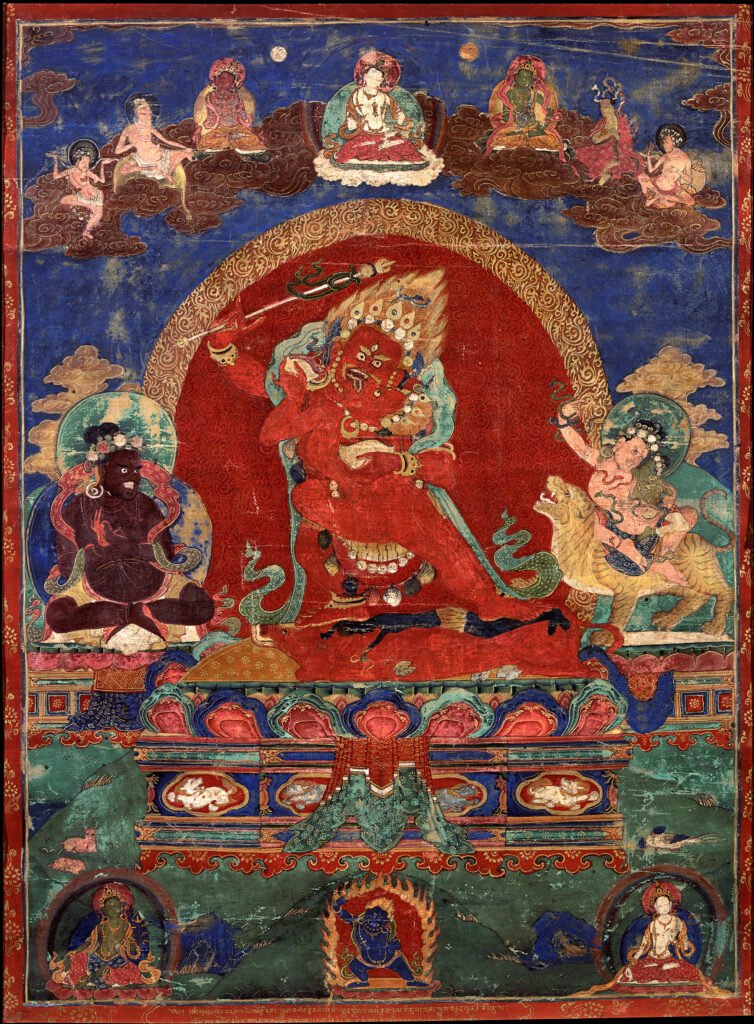
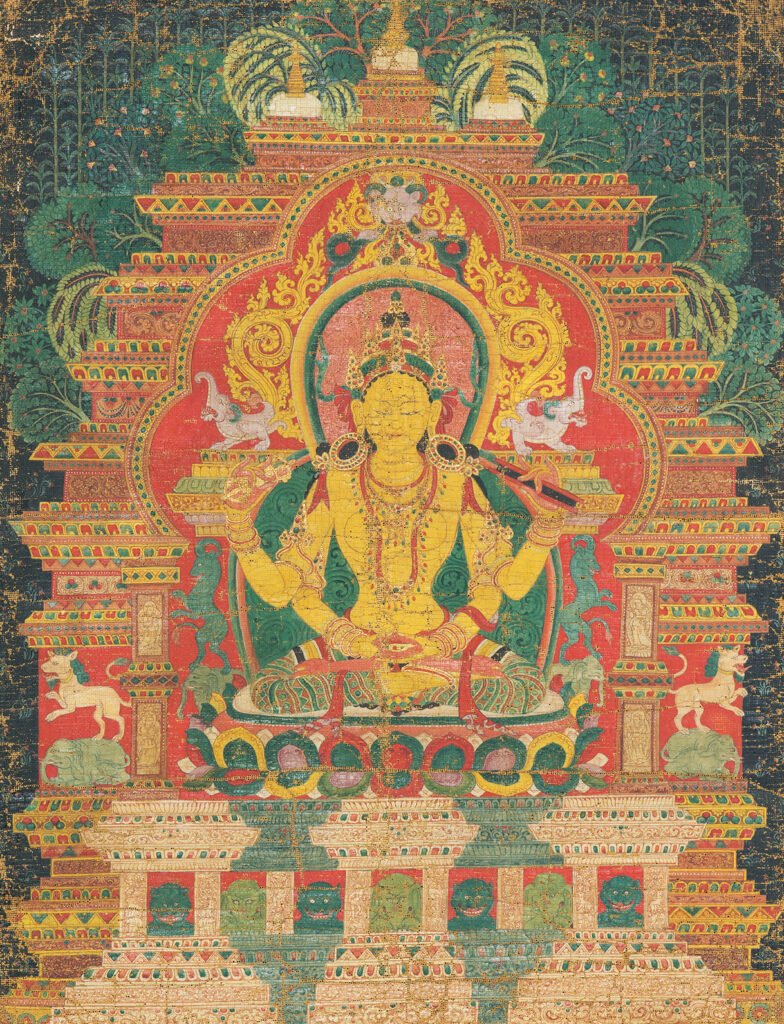
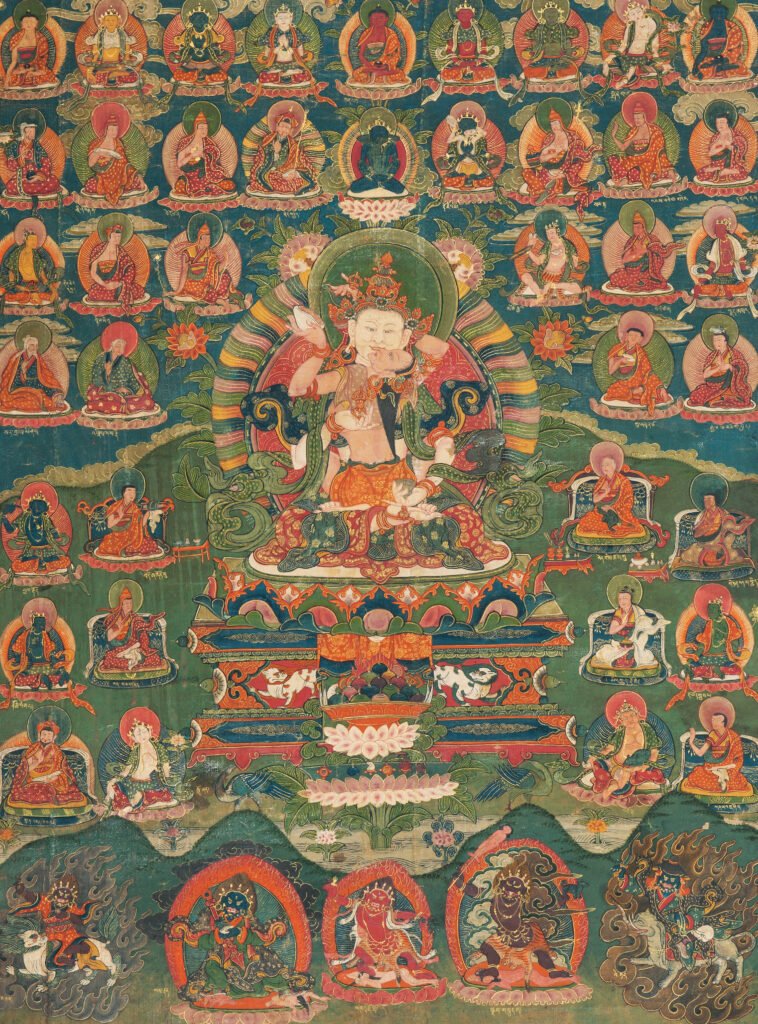
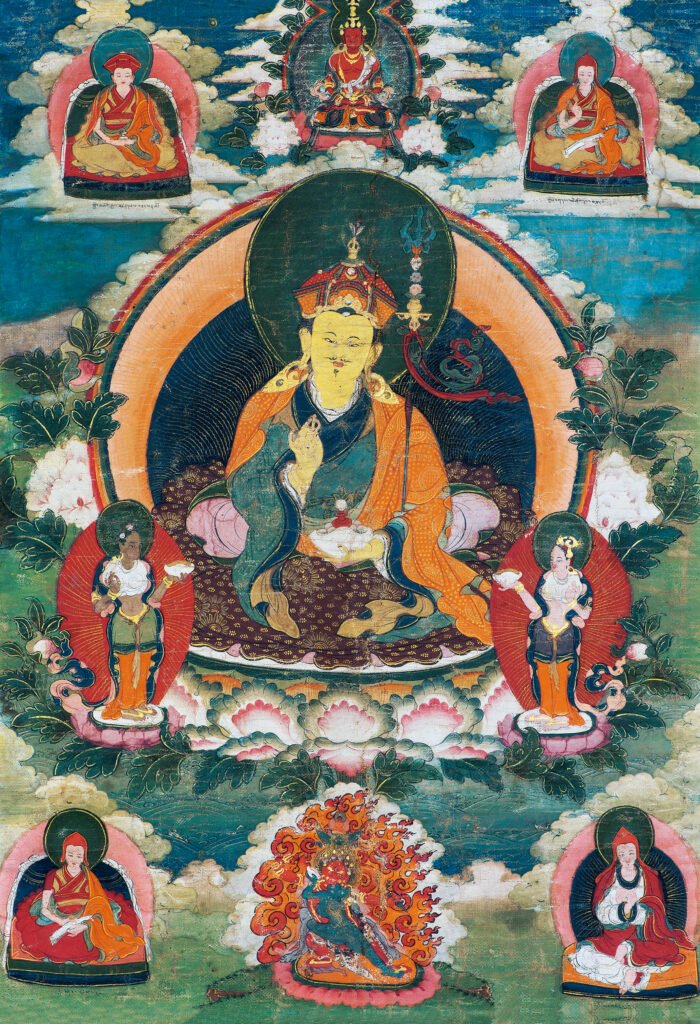
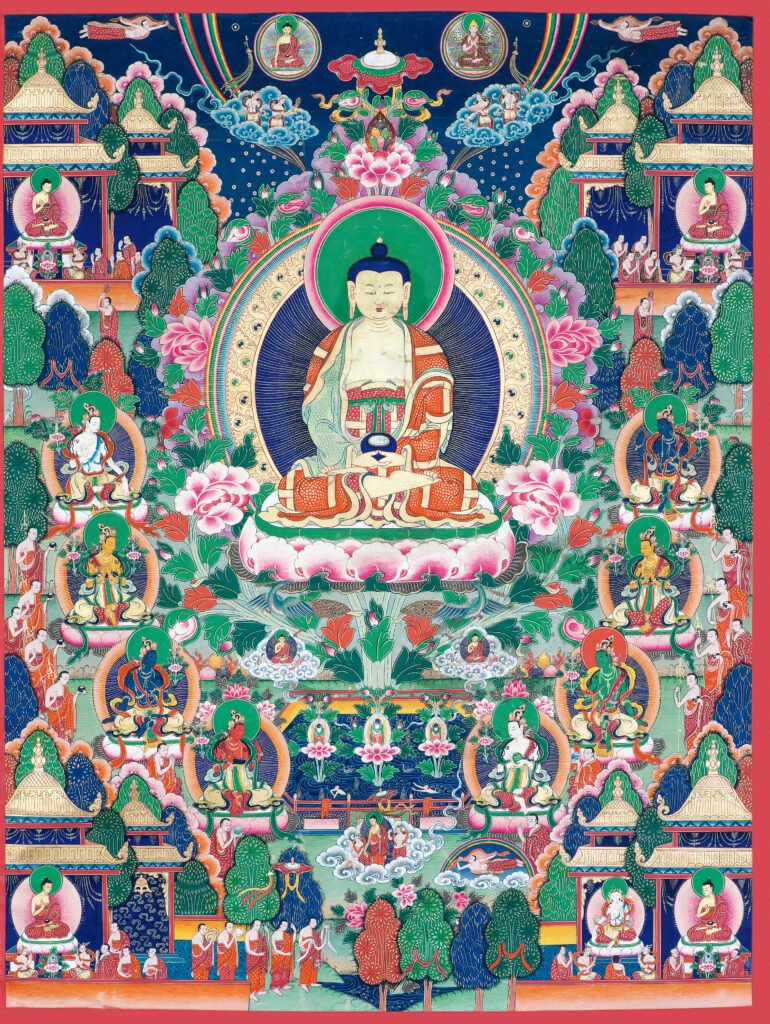
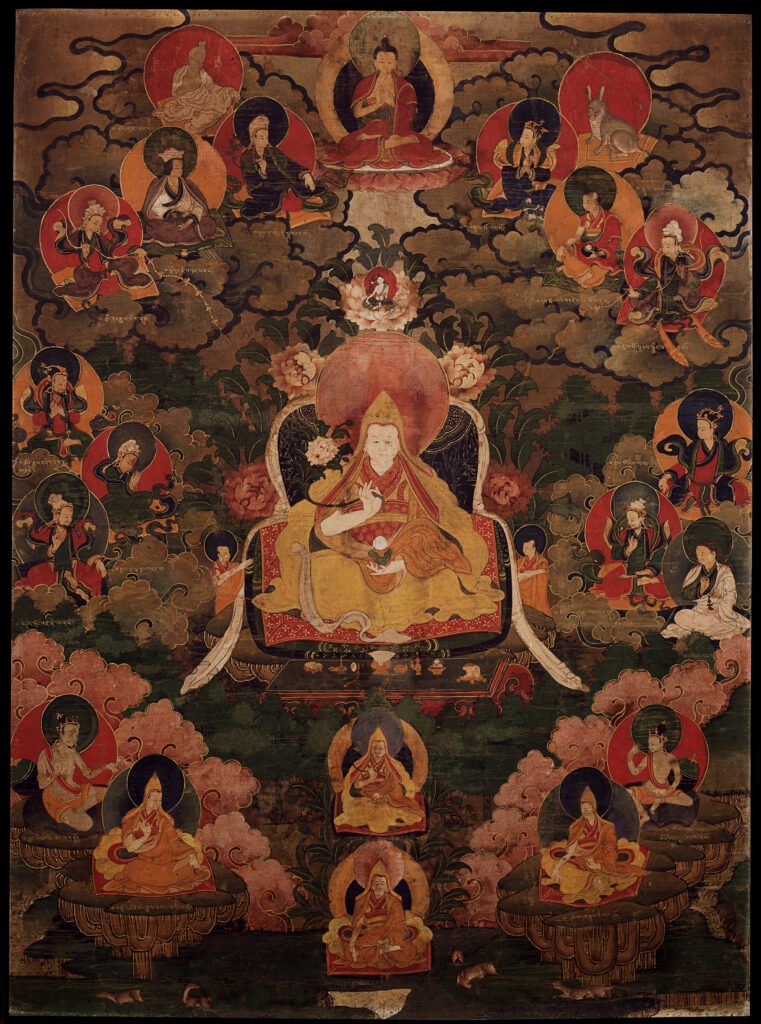
Thangka, a traditional Tibetan Buddhist art form with a history of over a thousand years, is more than just a painting—it is a profound carrier of spiritual beliefs and cultural heritage. Originating from the Tibetan Plateau, thangkas are typically painted on cotton or silk scrolls, featuring exquisite details and vivid colors derived from natural minerals and plant pigments, which ensure their longevity for centuries.
The themes of thangkas are predominantly religious, focusing on Buddhist deities, mandalas, life stories of the Buddha, and Tibetan Buddhist doctrines. Each brushstroke follows strict religious norms and artistic conventions, reflecting the artists’ devout faith and superb craftsmanship. Beyond their religious significance, thangkas also embody Tibetan aesthetics, integrating elements of Himalayan natural scenery, ethnic customs, and traditional philosophy.
As a movable religious art, thangkas play a crucial role in Tibetan Buddhist rituals and meditation practices. Today, they are not only cherished religious artifacts but also valued cultural treasures enjoyed by art enthusiasts worldwide, serving as a bridge for the spread and exchange of Tibetan culture.